|

|
From the Editor
Happy almost Halloween FARC members! I hope that this month’s newsletter finds you prepared for the kids this Saturday and in good health.
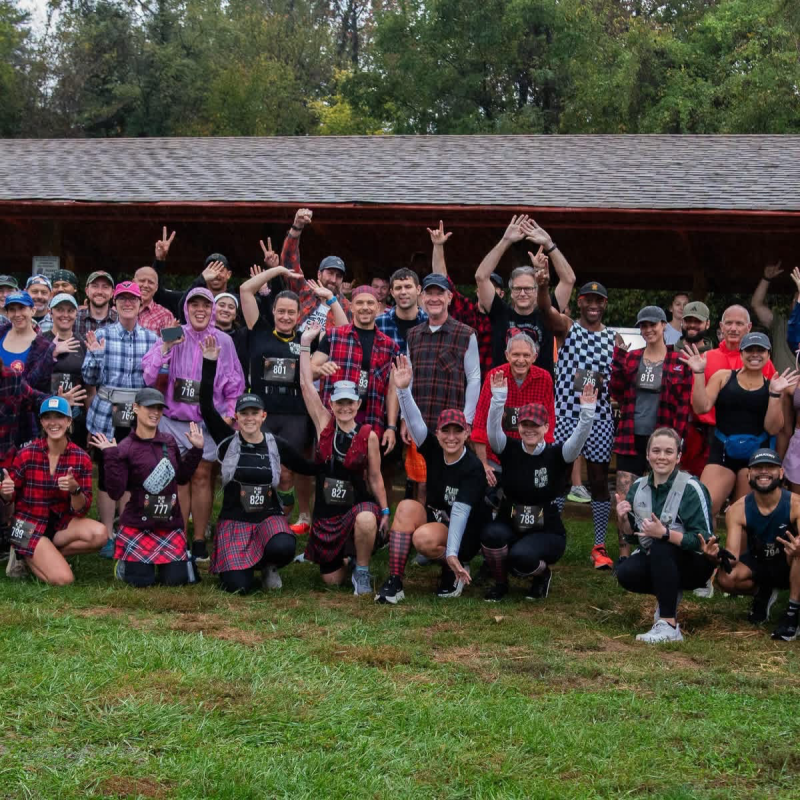
It was definitely another month full of activities. The Grand Prix continued with our tenth race in the series, the Plaid to the Bone 10K. While the weather was not ideal with all the rain, it was a great event that saw a state record. Congratulations to Dana Hayden on setting the Women’s 10K (50-54) record in a blistering 39:16. Next up is the Gus 5K on 7 November. Come on out and run this great race in the stadium. It is a fun, fast, and family friendly time with Gus cheering you on.
Speaking of races, I would be remiss if I didn’t congratulate all of the Army Ten-Miler and Marine Corps Marathon finishers. Speaking of the Marine Corps Marathon, a special shout out goes to Gerry Griffin for doing extraordinary heavy lifting in planning and executing the beer garden. As many of you may recall, the club gets a donation for doing this, but this year Gerry had to really push to get the appropriate approvals which came in just in time and then he had to execute to provide libations for all of the runners that were of age. Bravo Zulu and thank you, Gerry!
We have some news to announce this month. Hannah McConnell has stepped in to be our new Secretary. Thank you, Hannah, and for stepping into a very big and important role for the club.
Speaking of Board members, elections are coming up in the third week of December (17th). Our open Board positions are President, Vice President, one (1) 2-Year Director, and three (3) 1-Year Directors. More to follow on nominations.
Also, save the date… 12 December (6-8 p.m.) will be the FARC Holiday Party. More to follow on location.
It’s also time to start planning for the new runner training. Gerry Griffin and Ann Anderson will serve as co-leads for FARC 5K to half marathon training. If you are interested in volunteering for this GREAT training for our new runners, please contact Gerry or Ann.
For the final update, we have the 2027 Grand Prix schedule for your planning:
1/16 – Dahlgren Trail Half
2/13 – Love the Run You’re With
3/14 – Tree of Life 5K
4/17 – Spring Fever 5K
5/29 – Heppe 15K
6/13 – SPCA 5K
7/4 – Fallen Heroes 5 Miler
8/15 – Devil’s Den 10 Miler
9/18 – Downtown Mile
10/16 – Plaid to the Bone 10K
11/6 (Tentative) – Gus 5K
12/5 – Blue and Gray Half
This month, Vic Culp gives us part 4 of his series on Questions Race Directors Need to be Able to Answer. The feature article provides you with the health benefits of running so that you can answer the question, “why do you run so much?”.
As always, my fellow FARC members, be safe, stay hydrated and stay visible during these dark morning runs.
Will Triplett
|
|
|
FARC SATURDAY GROUP RUN
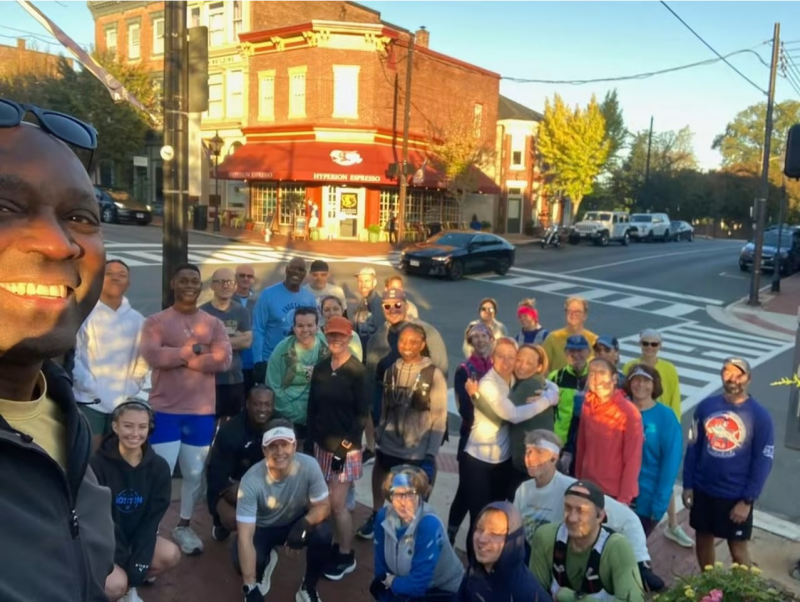
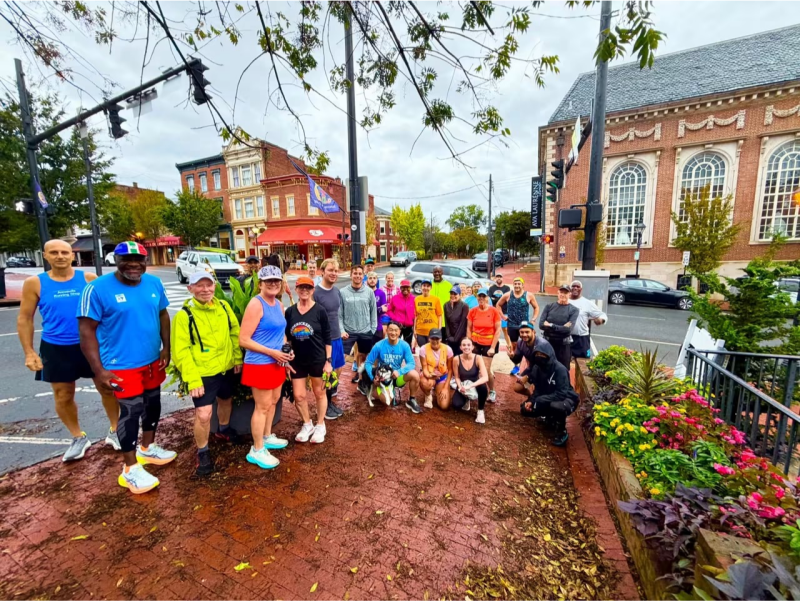
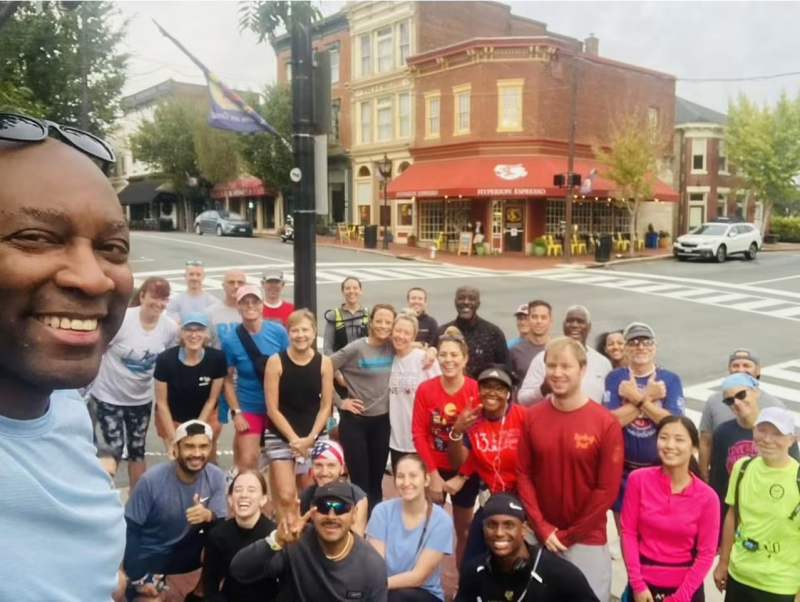
Saturday Fun Runs start at 8 a.m. The group meets on the corner of William and Princess Anne St. Choose to run 6 or 3 miles. All abilities are welcome. We have fast runners, run/walkers, and everything in between. Arrive a bit early to get in on the pre-run photo and meet the group.
BOARD MEETING
Our next board meeting will be on November 19th at 7 p.m. The board meetings are held at the Courtyard by Marriott Downtown. All members are welcome to attend. Please RSVP to info@runfarc.com so we can ensure sufficient space is available.
|
|
|
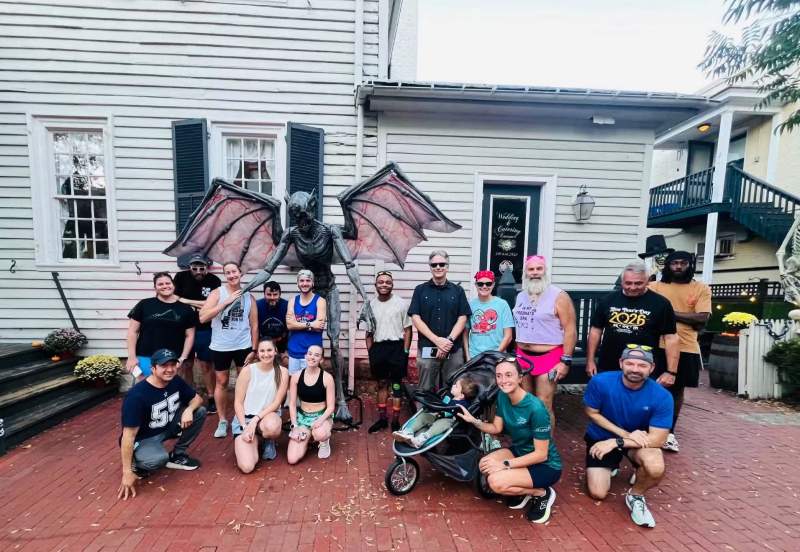
FARC MEMBERS OUT AND ABOUT
Another busy month from the Plaid to the Bone 10K, Army Ten-Miler, Marine Corps Marathon along with our weekly, and social runs. Again, no shortage of things to do and participate in.
Photos courtesy of FARC and Arsenal events.
|
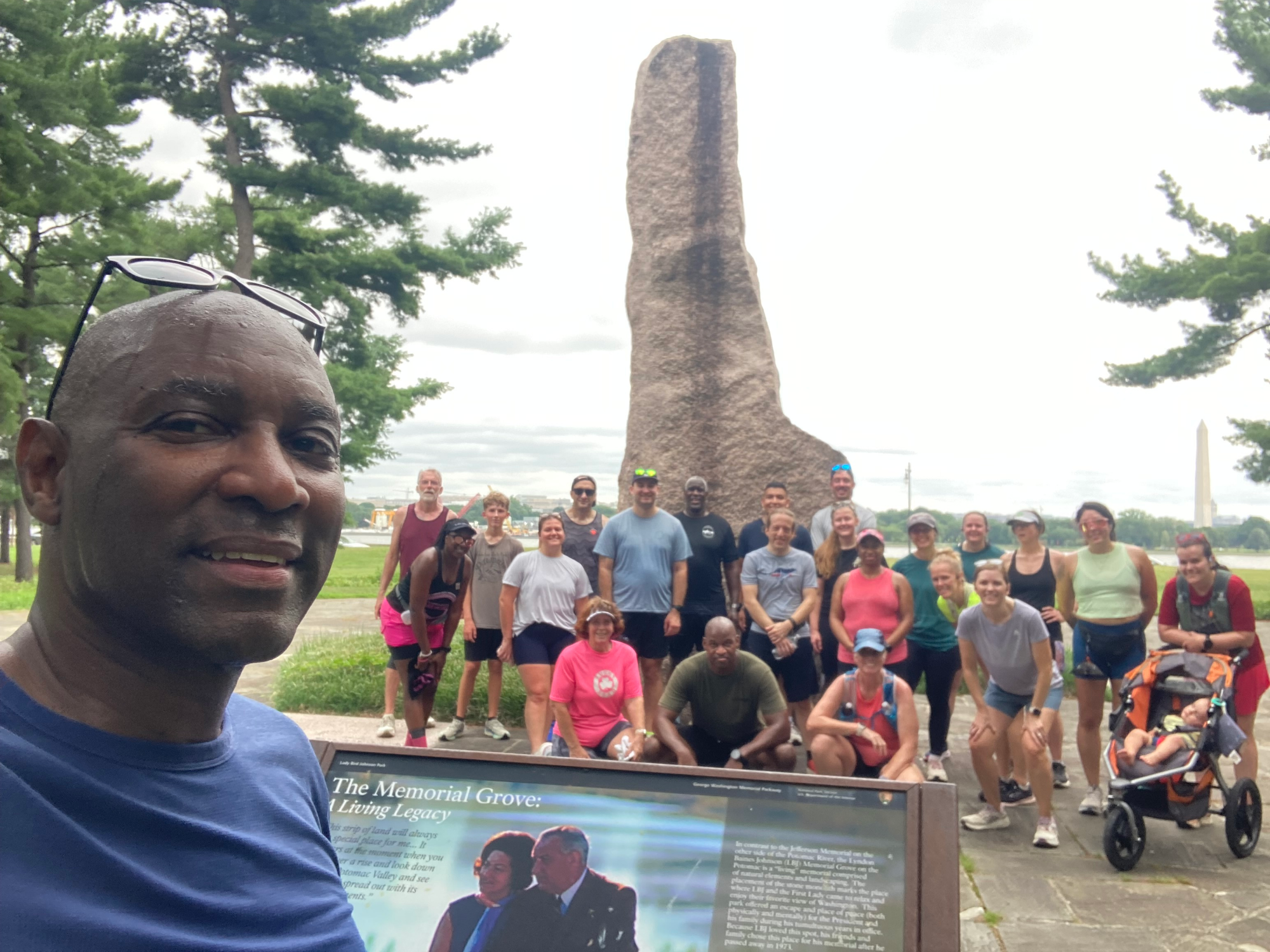
2026 Monument and Memorials Run
The final event for 2026 has been rescheduled for November 29th, starting at Columbia Marina (Potomac Basin).
Photo courtesy of Gerry Griffin
|
FARC Swag
Have you been wanting some new swag to run in and represent the club? Not sure what to do with that Visa gift card you got for Christmas? Well wonder no more! Introducing the FARC Recover line of apparel available for ordering and shipment direct to your home. Check out the full line by using the QR code and represent the club around town or at your next race!
|
Volunteers Needed
If you aren’t planning on running in some of our races, we need your help! Volunteers are needed to represent FARC at the booth. Stay in the shade, tuck away your belongings, and cheer on the runners! It’s simple and enjoyable to chat with others about our wonderful club. Sign up here: https://m.signupgenius.com/
|
|
|
What Are the Health Benefits of Running?
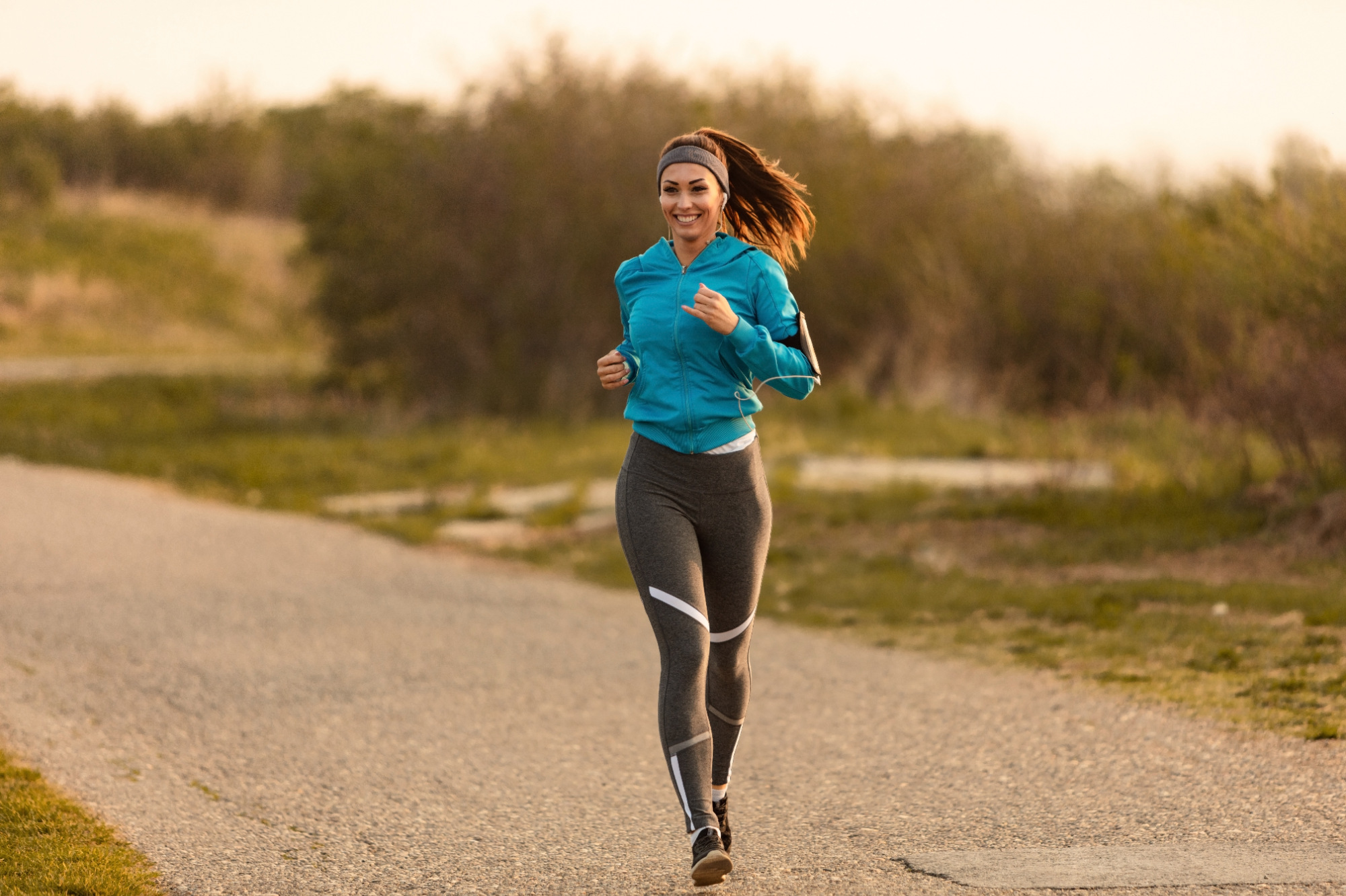
Running is a popular form of exercise for a reason. It doesn’t need much equipment, and you can do it just about anywhere or anytime that’s convenient for you. Whether you like sprinting or prefer to take it slow, any kind of cardio that gets your blood pumping can make your heart stronger, help you build muscle, and boost your mood. You also don’t need to be a marathon runner to see the benefits — even a 10-minute jog each day is enough to improve both your mental and physical health.
It’s much safer to run in cool temps and low humidity, so pushing yourself to run a little farther. Start by lengthening a couple of your weekly runs by 1-2 miles. Then add a mile to your long run every week. If you’re running three or fewer days now, try adding another day of running to your routine.
Running does a lot of good for your body. Here are some of the biggest physical perks of making it a regular part of your routine:
Better cardio health. Running or jogging for at least 10 minutes a day can greatly lower your chances of having cardiovascular disease. One study suggests that runners are 50% less likely to die from heart disease than those who don’t run.
It also lowers your resting heart rate— the number of times your heart beats per minute when you’re at rest. This is an important indicator of your overall health and fitness. The lower the rate, the more efficient your heartbeat.
Better sleep. Quality sleep is important for your overall health. It’s the time when your body repairs itself, which is why you wake up feeling refreshed. Studies show that exercise can help you not only fall asleep faster but also sleep more deeply. Just try not to run too late in the day, or it may have the opposite effect. Aerobic exercise triggers a release of endorphins, chemicals that boost energy and alertness, which might make it harder to drift off.
Improved knee and back health. It’s a common myth that running is bad for your joints. Research actually shows that the more often you run, the lower your odds are of having knee and back problems as you age. A study of 675 marathon runners found that they had lower rates of arthritis (about 50%) than the U.S. average. Another study found that recreational runners also have lower rates of knee and hip arthritis than non-runners.
Fewer colds. If you start to feel a little off, a 30-minute run may help you avoid a cold. Some research shows that doing aerobic exercises like running at least five days a week can lower your odds of getting an upper respiratory tract infection by as much as 43%. That’s because regular activity helps keep your immune system strong. But if you’re already sick, it’s best to take it easy, since exercise can make some symptoms worse. Instead, listen to your body and give yourself time to rest if you need it.
Stronger muscles. Running works several major muscle groups, including your core, hips, glutes, and hamstrings. Building and maintaining these muscles — especially as you age — helps you stay strong and mobile.
Good for weight maintenance. Cardio exercises such as running are a good way to burn extra calories, making it easier to stay at a healthy weight. This lowers your chances of having obesity-related health problems, such as type 2 diabetes, certain cancers, and stroke.
Mental Health Benefits of Running. Running can be just as good for your mind as it is for your body. Here are a few of the ways it supports your mental health:
Improved memory. If you notice yourself forgetting things, try going for a run. Aerobic exercise gets your heart rate up and makes you sweat, which can boost the size of your hippocampus, the part of the brain responsible for memory and learning. Some studies show that the hippocampus is larger in people who exercise than in those who don’t.
Better mood and energy. Exercise releases feel-good chemicals called endorphins, which can help boost your mood, concentration, and sense of well-being. One study found that even running just 15 minutes per day can lower your chances of having depression by about 26%. Exercise can also help ease existing symptoms of depression and anxiety.Ayesha Abdeen, MD, chief of hip and knee arthroplasty at Boston Medical Center, says that running outside can offer extra benefits. “Exercising in nature can improve your mood and provide a sense of overall calm and well-being.”
Lower stress
Running can help take your mind off worries while keeping your body’s stress hormones — such as adrenaline and cortisol — in check. At the same time, the feel-good endorphins that boost your mood during exercise can also help regulate your body’s fight or flight response.
Having a running goal in mind can help you stay committed. This looks different for everyone — maybe you want to improve your fitness, lose weight, or train for a race. No matter what your goal is, just make sure it’s realistic and specific, meaning it fits your lifestyle, abilities, and can be measured so you can track your progress. If a marathon seems like too much, start with a 5K road race.
Here are some tips to help you succeed:
- Create a routine you can stick to.
- Start with a mix of running and walking.
- Add variety to your runs. Try making a plan that includes a mix of speed and endurance training.
- Combine your running program with other forms of exercise for variety.
- Run with a friend, or join a local running club.
- Download a running app to help track your progress.
Running goals for beginners
Starting a running habit can feel tough, so it’s best to focus on goals that make it enjoyable, rather than worrying about speed or distance. When you’re getting started, Abdeen recommends alternating short intervals of walking and running — for example, five minutes of running followed by one minute of walking. As your fitness improves, you can slowly increase your running time.
She also emphasizes the importance of rest days. “Take the appropriate time to rest,” she says. “That’s when the body heals and will manifest the benefits of exercise.” Abdeen suggests avoiding back-to-back running days and instead alternating with low-impact cardio activities, such as swimming or cycling.
It’s a good idea to talk with your doctor before making a running plan, especially if you have a medical condition or haven’t exercised in a long time. They’ll help you come up with a program that’s safe and effective.
Tips for Healthy Running
No matter if you’re a beginner or an experienced runner, following these tips can help you stay safe, motivated, and make steady progress:
- Eat a healthy and balanced diet.
- Don’t run right after eating.
- Drink plenty of water before, during, and after your run.
- Don’t turn your music up too loud. Stay alert and aware of what’s around you.
- Wear reflective clothes if you go running early in the morning or late in the evening.
- Tell someone where you plan to run and when you expect to be back.
- Avoid isolated and dangerous areas.
- Give yourself at least two rest days per week.
- If you get an injury while running, stop and get medical care right away.
- Celebrate your achievements. Each run, no matter how short, is a step toward building a healthy habit.
It’s estimated that 1 in 3 recreational runners will have a running-related injury at some point. Most injuries affect the lower leg, especially the knees, ankles, and shins. But the foot, back, and groin are also common trouble spots.
Some of the most common running injuries include:
- Blisters
- Shin pain
- Pulled muscles
- Sprains
- Skin injuries, such as bruises or scrapes
You can lower your chances of having an injury by taking some precautions before, during, and after your run, including:
- Warm up and cool down. Take a few minutes to stretch before and after a run.
- Combine running with strength training and other aerobic exercises. Building muscle and improving your agility can help prevent falls and protect your joints.
- Build up gradually. Increase your speed, distance, and intensity over time instead of pushing too hard too soon.
- Wear proper running shoes. Invest in a pair that fits your feet and has good support.
- Dress for the weather. Wear layers to avoid overheating and apply sunscreen if you’re running outside.
- Avoid extreme conditions. Try not to run during the hottest part of the day in the summer or on slippery surfaces during winter.
- Choose the right terrain. Run on a flat, even, and reasonably soft surface. Avoid sand or concrete if you can.
- Listen to your body. If something hurts, take a break or rest. Recovery is an important part of a healthy running routine.
While running has plenty of benefits, it isn’t the best option for everyone. Although running doesn’t cause joint problems, Abdeen says that it can worsen symptoms for people who already have degenerative joint diseases like arthritis. Those with knee or hip replacements are often advised to avoid running, but Abdeen points out that there’s no clear evidence that it increases wear or loosens the joint, so it’s worth discussing with your doctor if you’re interested in giving it a try.
If you have cardiovascular disease, it’s also a good idea to check with your cardiologist or doctor before starting a running program to make sure it’s safe for you.
Running is one of the most accessible and effective ways to boost your physical and mental health. Even just a few minutes each day can strengthen your heart, improve your sleep and mood, and help you maintain a healthy weight. If you’re new to running, it’s a good idea to talk to your doctor before lacing up. Just remember to start slow, rest when you need to, and celebrate every stride.
Is it good to run every day?
No. It’s important to take rest days and include other forms of exercise into your routine, such as strength training and stretching — especially when you’re just starting out.
What is a runner’s body?
There’s no single body type for runners. People who run come in all different shapes and sizes, and anyone can enjoy the benefits, regardless of how they look.
Does running clear your skin?
Sweating during a run can help flush out impurities from your skin, but it can also clog pores if you wear makeup or skip washing your face afterward. Running also lowers stress and improves sleep — both of which support skin health.
What is the best time to run?
The best time to run is whenever it fits best into your schedule. But some people find that running too close to bedtime makes it harder to fall asleep.
|
UPCOMING GRAND PRIX RACES
|
FARC Mission Statement
Members of the Club believe that running enhances both the health and happiness of its participants. The Club, in furtherance of this objective, will promote and encourage recreational running in the Fredericksburg community through education of the community on the benefits of physical fitness and sport. The club may hold group runs, fun runs, championships, races on the road or track, and time trials; may put on lectures, demonstrations, and social events; may print and publish books, magazines, and newsletters; make awards; conduct fundraising events; and do all such other things as may be conducive to the encouragement of running.
Board of Directors
President – Denise Freeman denise.freeman@runfarc.com 2-year term 2025-2026
Vice President – Angela Anderson angela.anderson@runfarc.com 2-year term 2025-2026
Secretary – Hannah McConnell secretary@runfarc.com2-year term 2026-2027
Treasurer – Vic Culp treasurer@runfarc.com2-year term 2026-2027
Amber Hayghe amber.hayghe@runfarc.com 2-year director 2026-2027
Latonya Turner latonya.turner@runfarc.com2-year director 2025-2026
Will Triplett william.triplett@runfarc.com2-year director 2025-2026
Gerry Griffin gerry.griffin@runfarc.com1-year director 2026
James Kemp james.kemp@runfarc.com1-year director 2026
|
|
|
Thank you to our amazing sponsors
|
|
|
|